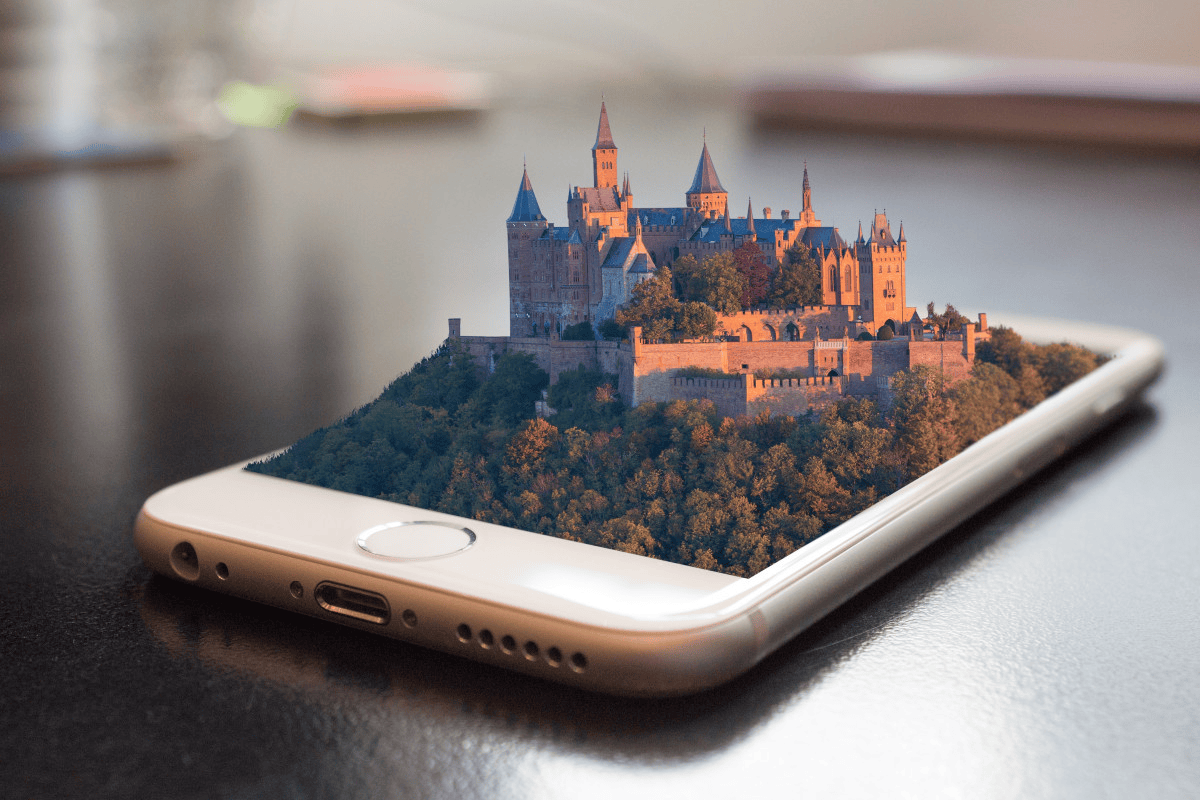
Wonderful moments captured with a sunspin create lasting outdoor memories
- Wonderful moments captured with a sunspin create lasting outdoor memories
- Enhancing Outdoor Photography with Rotating Camera Mounts
- Choosing the Right Mount for Your Needs
- The Role of Stabilisation in Rotating Photography
- Time-Lapse Photography with Rotating Camera Mounts
- Creative Applications Beyond Photography
- The Future of Dynamic Visual Storytelling
Wonderful moments captured with a sunspin create lasting outdoor memories
Capturing moments in time is a universal desire, and increasingly, people are turning to creative methods to preserve those fleeting memories. Among these innovative approaches, the use of a rotating camera mount, often referred to as a sunspin, has gained considerable popularity. This simple yet effective device allows for dynamic, panoramic-style photographs and videos, transforming mundane scenes into visually captivating representations of memories. It's about more than just taking a picture; it’s about freezing a feeling, a place, and a moment in time with an artistic flair.
The appeal of these devices lies in their ability to create a sense of immersion and movement. Unlike traditional photography, which often captures a static snapshot, a rotating camera perspective offers a 360-degree view, pulling the viewer into the scene. This makes them particularly well-suited for documenting landscapes, events, and even everyday life, adding a unique and engaging dimension to personal archives. Furthermore, they are increasingly accessible, with options ranging from sophisticated, app-controlled models to simpler, manually operated designs, making this creative outlet available to a wide audience.
Enhancing Outdoor Photography with Rotating Camera Mounts
Outdoor photography benefits immensely from the dynamic perspectives offered by rotating camera mounts. Traditional landscape photography often focuses on a carefully framed, static image, aiming to capture the grandeur of a scene. However, a rotating mount takes this a step further, allowing viewers to virtually ‘walk’ through the landscape. Imagine a sweeping vista of mountains, a vibrant coastline, or a dense forest – instead of a single view, a rotating image provides a holistic experience, showcasing the scene's depth and scale. This is particularly effective for conveying the feeling of being present in a location, appealing to the viewer's sense of exploration and wonder. The ability to create a circular panorama opens up creative possibilities previously unavailable with traditional static shots.
Beyond landscapes, these mounts excel at documenting outdoor events. Capturing the energy of a festival, the excitement of a sporting event, or the atmosphere of a concert becomes significantly more engaging when presented as a rotating visual experience. Viewers can scan the crowd, observe different performers, and absorb the overall ambiance in a way that a static photograph simply cannot replicate. This interactive quality makes them ideal for sharing on social media platforms, where they are more likely to capture attention and generate engagement. The immersive quality is key to captivating a quick-scrolling audience.
Choosing the Right Mount for Your Needs
Selecting the appropriate rotating camera mount requires considering several factors. Budget, intended use, and desired level of control are all important considerations. Simpler, manually operated mounts are affordable and ideal for basic panoramic shots. These typically consist of a platform that rotates by hand, allowing the photographer to control the speed and smoothness of the rotation. More advanced models, however, offer automated rotation, programmable settings, and app-controlled functionality, providing greater precision and creative control. These features are particularly valuable for time-lapse photography or creating professional-quality panoramas.
Another critical aspect is compatibility with your camera. Different mounts are designed to accommodate specific camera weights and sizes. It’s essential to ensure that the mount can securely hold your camera without compromising its stability. Consider the type of head needed to connect the camera to the mount; ball heads, pan-and-tilt heads, and specialized panoramic heads each offer different levels of adjustability and control. Finally, think about portability; if you plan to travel with your mount, a lightweight and compact design will be essential. Careful consideration of these factors will help you choose a mount that perfectly suits your photographic needs.
| Mount Type | Price Range | Features | Best Use Cases |
|---|---|---|---|
| Manual | $20 – $80 | Simple rotation, Hand-controlled | Basic panoramas, Low-budget projects |
| Motorized | $100 – $300 | Automated rotation, Programmable speeds | Time-lapse photography, Consistent panoramas |
| App-Controlled | $250 – $500+ | Wireless control, Advanced settings, Interval control | Professional photography, Complex projects |
As technology advances, rotating camera mounts become increasingly sophisticated, offering a wider range of features and creative possibilities. Understanding these feature sets will help informed consumers and photography enthusiasts get the most out of their purchases.
The Role of Stabilisation in Rotating Photography
Achieving high-quality rotating images and videos requires effective stabilization. Even slight movements during the rotation can result in blurry or distorted results. This is especially crucial when shooting in windy conditions or when using longer exposure times. Many modern rotating camera mounts incorporate built-in stabilization mechanisms, such as gyroscopic stabilizers or counterweights, to minimize unwanted vibrations. These systems work by actively counteracting movements, ensuring a smooth and steady rotation. Additionally, utilizing a tripod with a robust base provides a stable foundation, further reducing the risk of blur. Careful setup and attention to stability are essential to maximizing the quality of your rotating shots.
Software stabilization can also play a significant role in post-processing. Many photo and video editing programs offer tools to smooth out shaky footage and correct distortions. These tools analyze the footage and automatically adjust the image to compensate for movements. However, it's important to note that software stabilization can sometimes reduce image resolution or introduce unwanted artifacts. Therefore, prioritizing stability during the shooting process is always the best approach. Successful rotating photography relies on a combination of high-quality hardware and careful technique.
- Invest in a sturdy tripod.
- Utilize a mount with built-in stabilization.
- Shoot in calm weather conditions.
- Use a remote shutter release to minimize camera shake.
- Consider post-processing software for refinement.
Combining these strategies will dramatically improve the visual fidelity and overall viewing experience of any rotating image or video. The ability to convey a scene’s dynamism relies on the smoothness of the rotation itself.
Time-Lapse Photography with Rotating Camera Mounts
Rotating camera mounts open up exciting possibilities for time-lapse photography. Combining a rotating perspective with the compression of time allows you to showcase changes in a scene in a truly captivating way. Imagine capturing the movement of clouds across a landscape, the growth of plants, or the changing light throughout the day – all from a dynamic, rotating viewpoint. This technique is particularly effective for highlighting the interplay between movement and environment, creating visually stunning and thought-provoking time-lapse videos. The resulting videos are anything but ordinary, moving beyond static scenes by capturing evolving landscapes.
When shooting time-lapse videos with a rotating mount, several factors are crucial. First, ensure that the mount has a consistent rotation speed and a reliable intervalometer. The intervalometer controls the frequency at which the camera captures individual frames. A shorter interval will result in a smoother, more fluid video, while a longer interval will create a more staccato effect. Experimentation is key to finding the optimal settings for your specific scene and desired aesthetic. Furthermore, power management is essential, especially for long-duration time-lapses. Consider using an external power source to avoid interruptions due to battery depletion. Proper planning and attention to detail will ensure a successful and visually striking time-lapse result.
- Secure the mount and camera.
- Set the desired rotation speed.
- Configure the intervalometer for frame capture.
- Monitor battery life or connect to an external power source.
- Review the footage and adjust settings as needed.
With a little practice and experimentation, any enthusiast can use a sunspin to create breathtaking time-lapse footage that showcases the beauty and dynamism of the world around us. Utilizing these techniques adds a new dimension to capturing and sharing the world’s beauty.
Creative Applications Beyond Photography
The applications of rotating camera mounts extend beyond traditional photography and videography. They are increasingly being used in virtual reality (VR) and 360-degree content creation. The ability to capture a complete panoramic view is essential for creating immersive VR experiences, allowing viewers to explore virtual environments as if they were physically present. These mounts can also be used to create interactive 360-degree photos and videos that can be viewed on smartphones, tablets, and computers. The growing demand for immersive content makes rotating mounts a valuable tool for content creators.
Another emerging application is in the field of remote monitoring and surveillance. A rotating camera mount can provide a wide-angle view of a property, allowing for comprehensive monitoring of surroundings. This is particularly useful for security applications, where it's important to have a complete overview of an area. They can be integrated with smart home systems, providing real-time alerts and remote access to live video feeds. The versatility of these mounts makes them a valuable asset in a variety of professional and consumer applications.
The Future of Dynamic Visual Storytelling
As technology continues to evolve, we can expect to see even more innovative uses for rotating camera mounts. Advances in artificial intelligence (AI) may lead to mounts that can automatically track subjects, optimize rotation speeds, and even create visually compelling compositions. Integration with augmented reality (AR) platforms could allow users to overlay digital information onto rotating scenes, creating interactive and informative experiences. The possibilities are truly limitless. We are on the cusp of a new era in visual storytelling, where dynamic perspectives and immersive experiences are becoming increasingly prevalent.
The ease of use and affordability of modern rotating camera mounts are also driving their adoption. What was once a niche tool for professionals is now accessible to anyone with a smartphone and a desire to create captivating content. This democratization of technology is fostering a new wave of creativity and innovation, pushing the boundaries of visual expression. The future of this creative process looks bright, promising a world where capturing and sharing experiences is more immersive and engaging than ever before.